Each guide is written as a "what to look for" walkthrough, the practical checks that matter, the opinion clearly labeled, and the safety caveats up front.
Troubleshooting
A new vibration after the winter swap is usually balance, ice, flat spots or torque. Read the speed band and where you feel it, run the free checks first, then pay for diagnosis in the right order.
Buying guide
Most run-flats sold in Canada are all-season tires, not winter tires. The true winter run-flat lines, the verified 80 km limit, maker repair policies, and the four tire ownership math.
Leasing
Why there is no single Canadian lease rule for winter tires: Ford, Lincoln, Nissan and MINI guides compared, the Quebec exception, and rims versus swapping costs.
Maintenance
Ten years from the sidewall date is the outer limit stated by Ontario's handbook and Michelin Canada, with a professional inspection after five years of use. How to read the date code.
Choosing
Start with your seasonal kilometre total, screen by the Ice Grip and 3PMSF symbols, then apply the route-share test that decides studded versus studless for a highway run.
Maintenance
One tire keeps losing air while the others hold: by January the likely address is the valve. The corrosion signs, the bubble test, and the driveway versus shop boundary.
New tires
New winter tires are not at full grip on day one. The maker figures reconciled, the stricter first 100 km for studded sets, and the re-torque that finishes the job.
Spares
A donut is limited to about 80 km/h and roughly 80 km. When that is a real problem on a Canadian highway, the all-season trap on a full-size spare, and the five-tire rotation that keeps a spare matched.
Drivetrain
Matching on AWD is a circumference specification set by the vehicle maker. Audi, Subaru and Michelin publish different figures, and in winter it is also a grip rule: four of the same winter tire, at close wear.
Safety
Read the full DOT number on every tire, search it against Transport Canada recall records, and read the last four digits as an age verdict, before the set goes back on.
Money
Manufacturer warranties cover defects, not potholes. How Canadian road-hazard plans from retailers and dealers differ, what voids a winter claim, and when paying extra is worth it.
Sizing
How plus and minus sizing work, why winter fitments go narrower, and the load index and speed rating checks that can veto a conversion, with the diameter math verified.
Traction
Steel chains, cable chains, textile tire socks, or winter tires alone: what each device does, where each is legal in Canada, and the provincial rules that change the answer.
The starting point
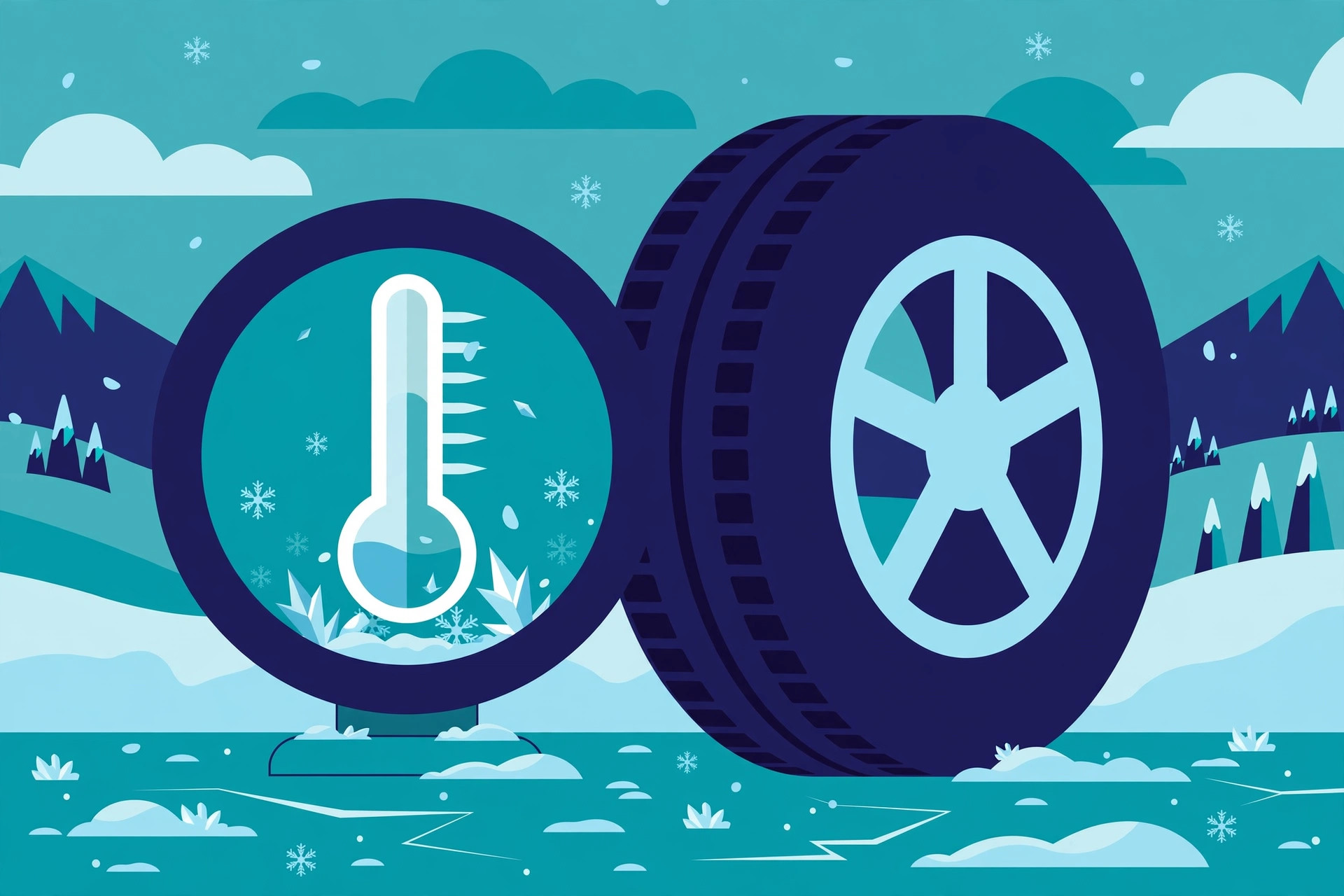
It's not about snow, it's about temperature. Why rubber chemistry changes below 7°C, where the payoff is biggest, and when all-seasons are honestly fine.
Read the guide →
Buying guide
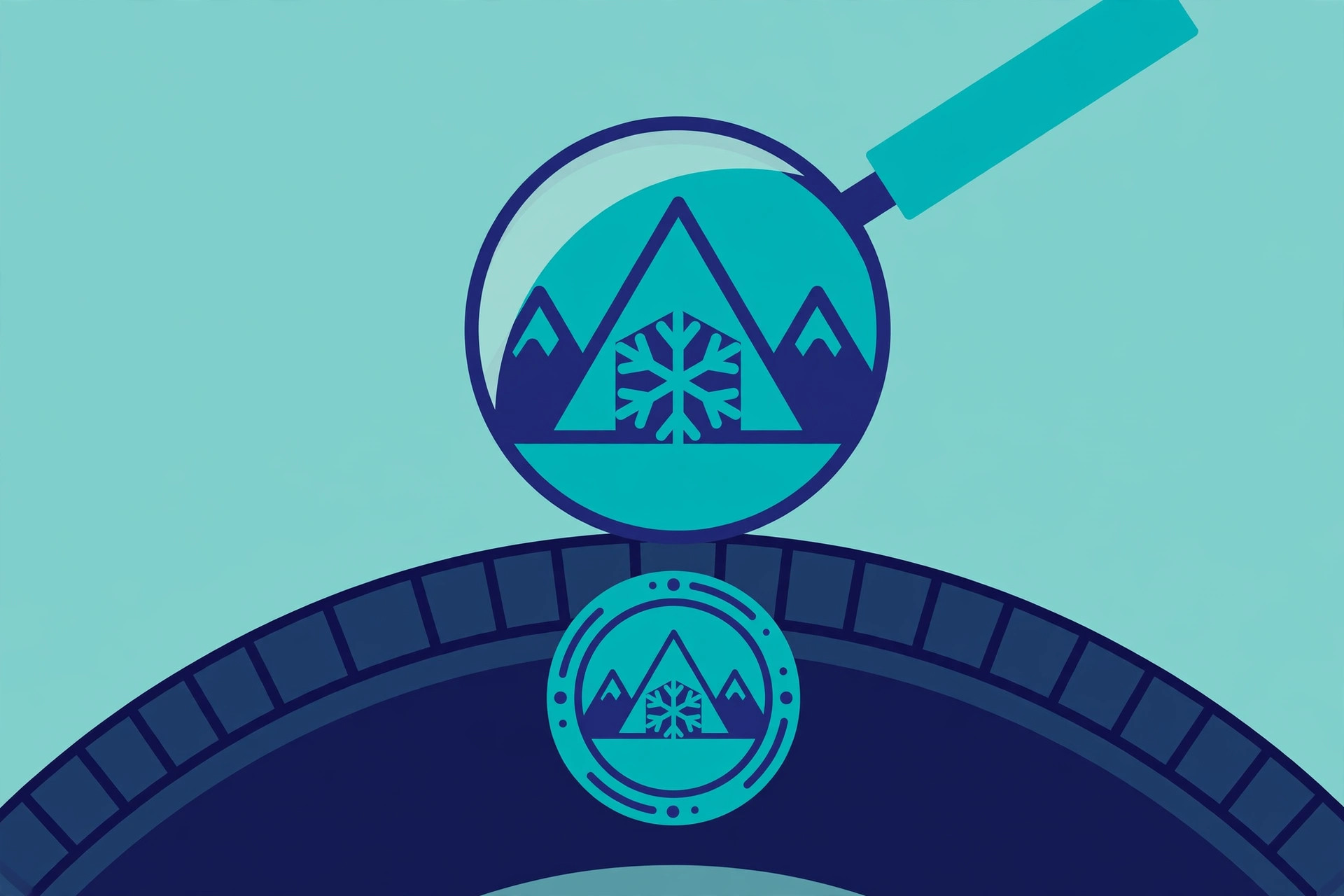
The 3PMSF mountain-snowflake symbol, sizing basics, tire age, and the questions worth asking, general guidance, no model picks.
Read the guide →
The law
What the rule requires, who it applies to, and what drivers in the rest of Canada should take from it.
Read the guide →
Used market
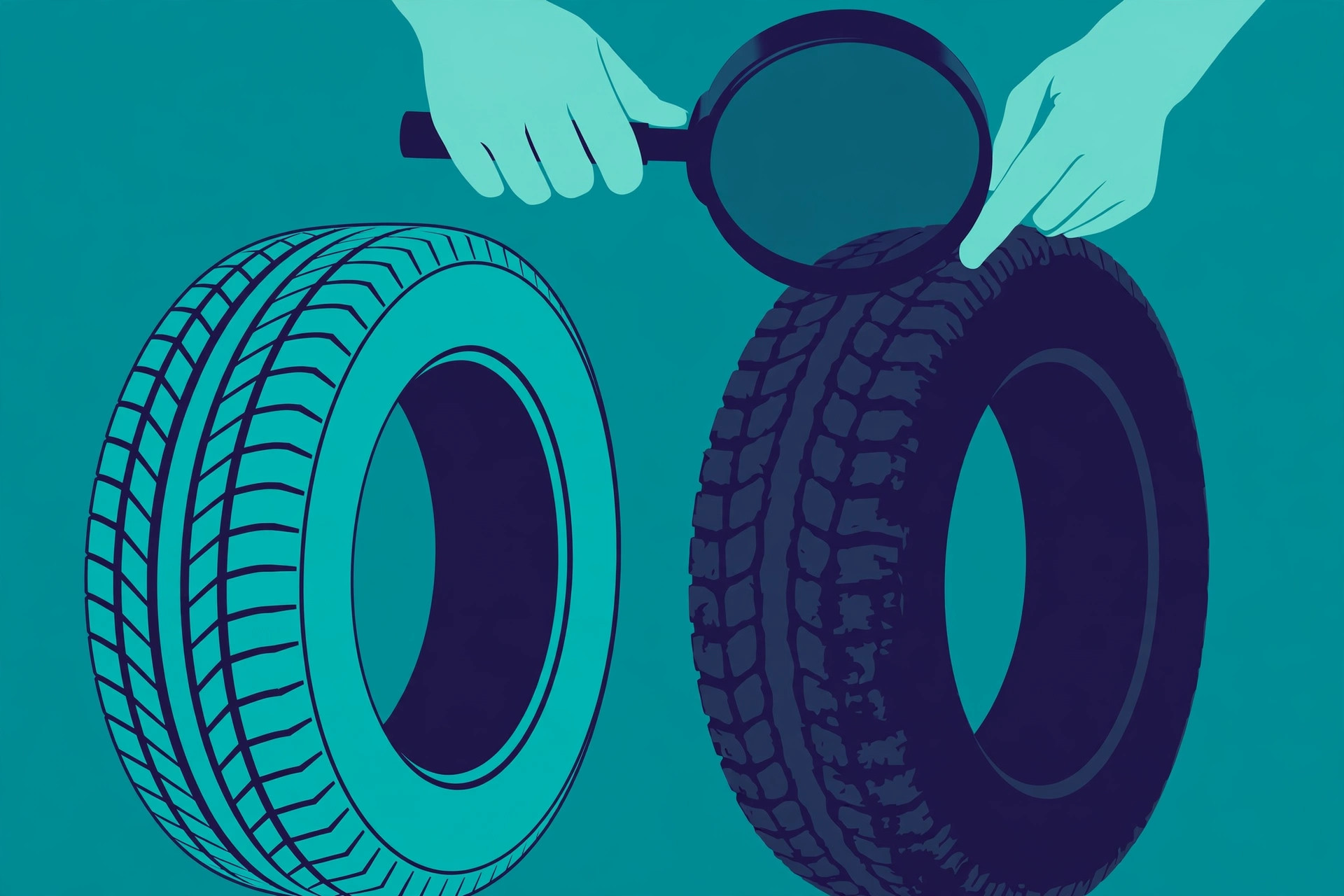
Tread, wear patterns, sidewalls, age, and the red flags that mean walk away. A used set can be a bargain or a liability, here's how to tell.
Read the guide →
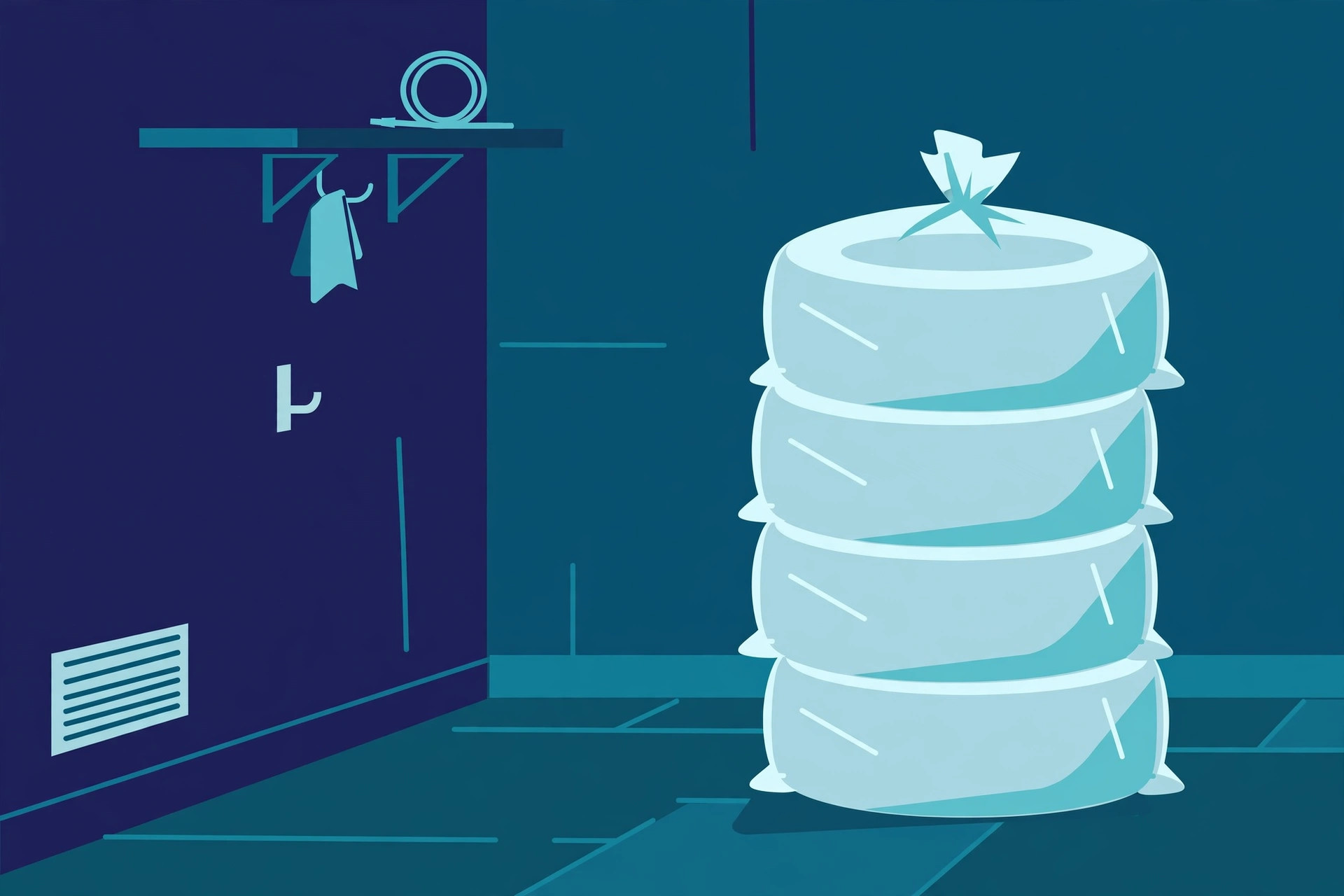
Off-season
Clean, bag, and store them right, and your winter tires start next season in good shape. The 20-minute routine that adds seasons to a set.
Read the guide →
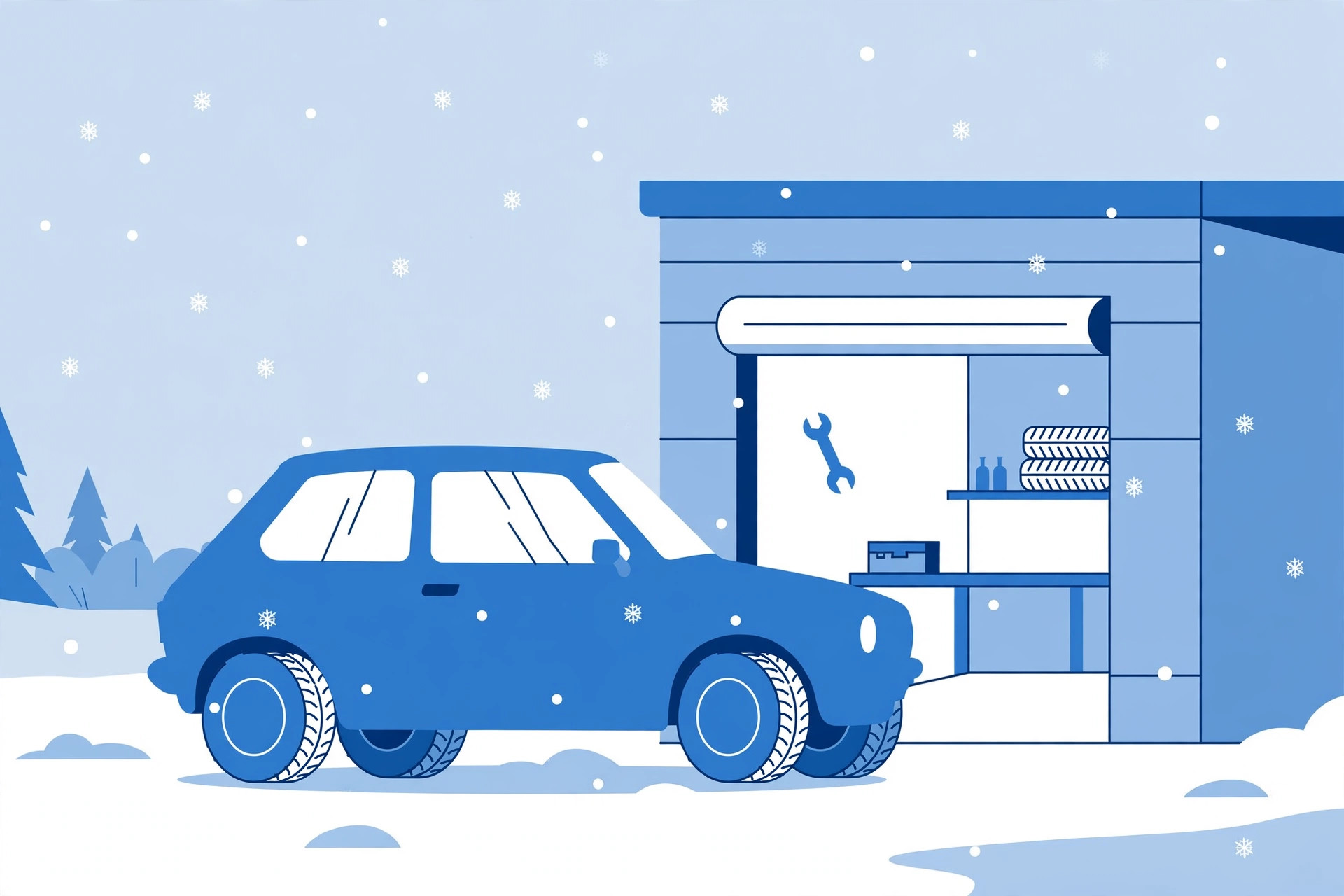
Timing
The 2026 booking calendar by region, live early-bird deadlines, how to prepare for the appointment, and mobile installation as the waitlist workaround.
Read the guide →

Buying guide
What premium buys you, where mid-range is the sweet spot, when budget is defensible, with dated October 2026 price signals.
Read the guide →
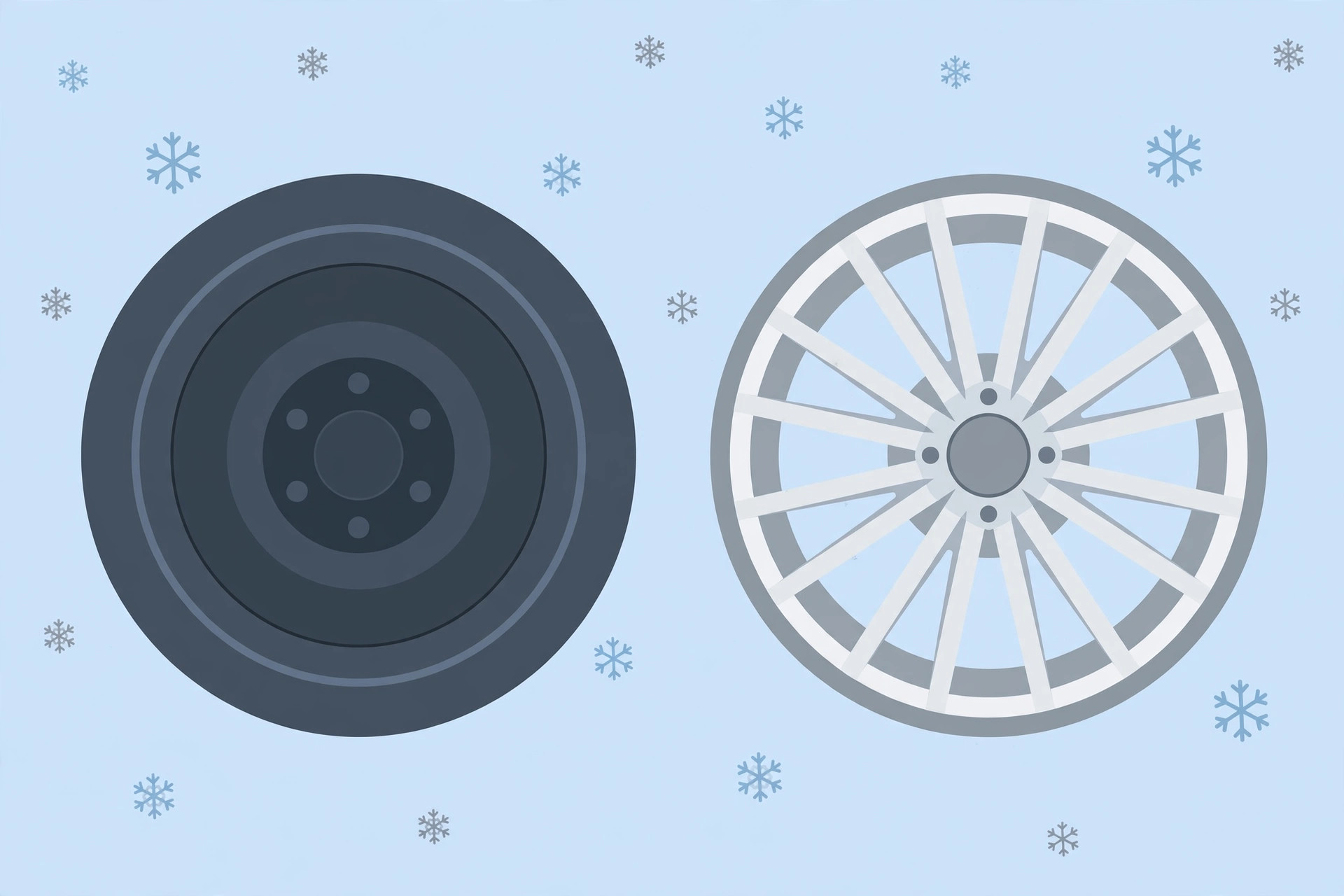
Wheels
The bend-vs-crack truth, the corrosion contradiction resolved, TPMS costs on a second set, and winter downsizing explained.
Read the guide →
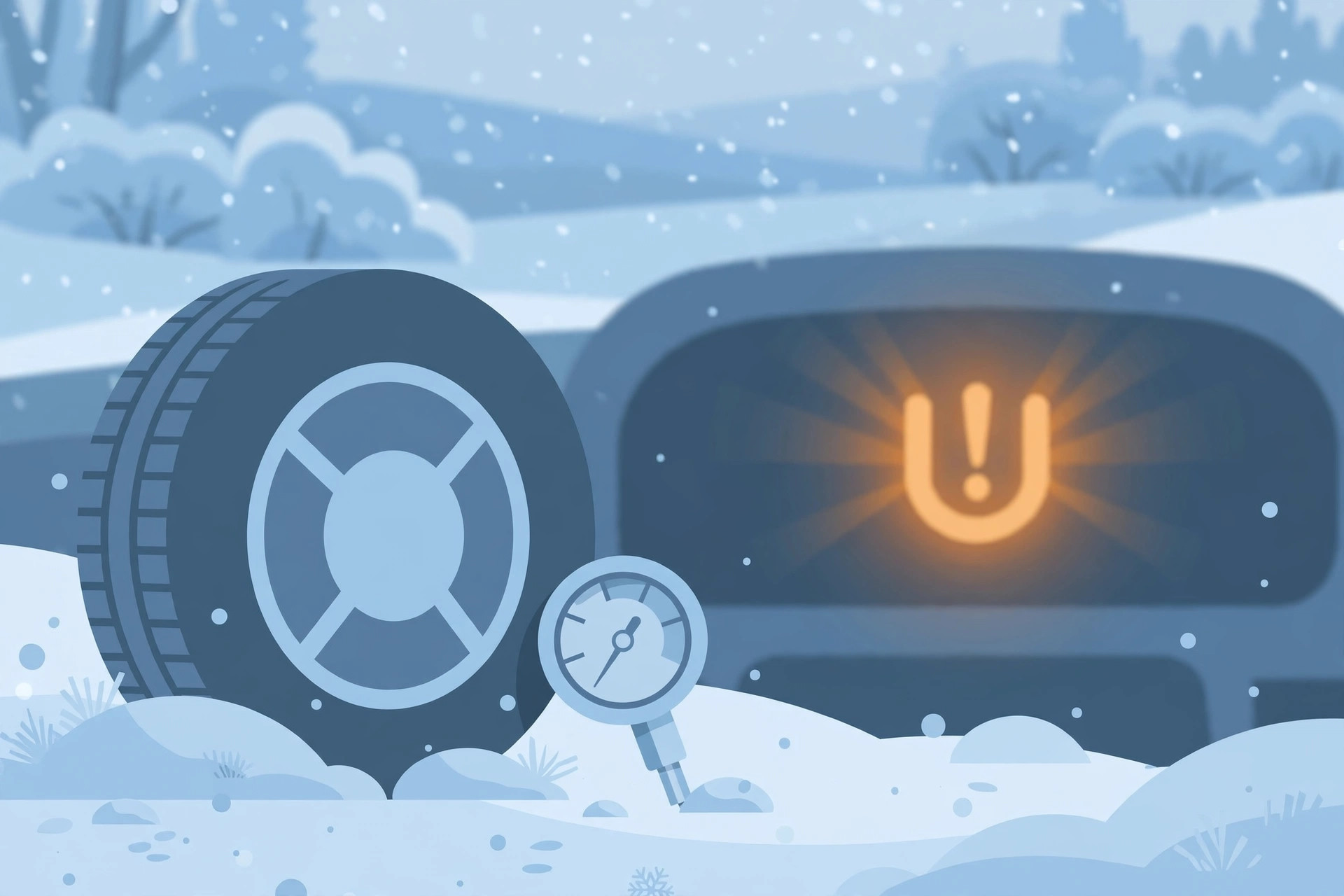
Pressure & TPMS
About 1 psi lost per 5°C drop, the proper cold-check procedure, and how to tell a low-pressure warning from a TPMS malfunction.
Read the guide →
Choosing
What 3PMSF actually certifies, the tread an all-weather set spends before winter, total cost on both sides, and the worst-drive test.
Read the guide →
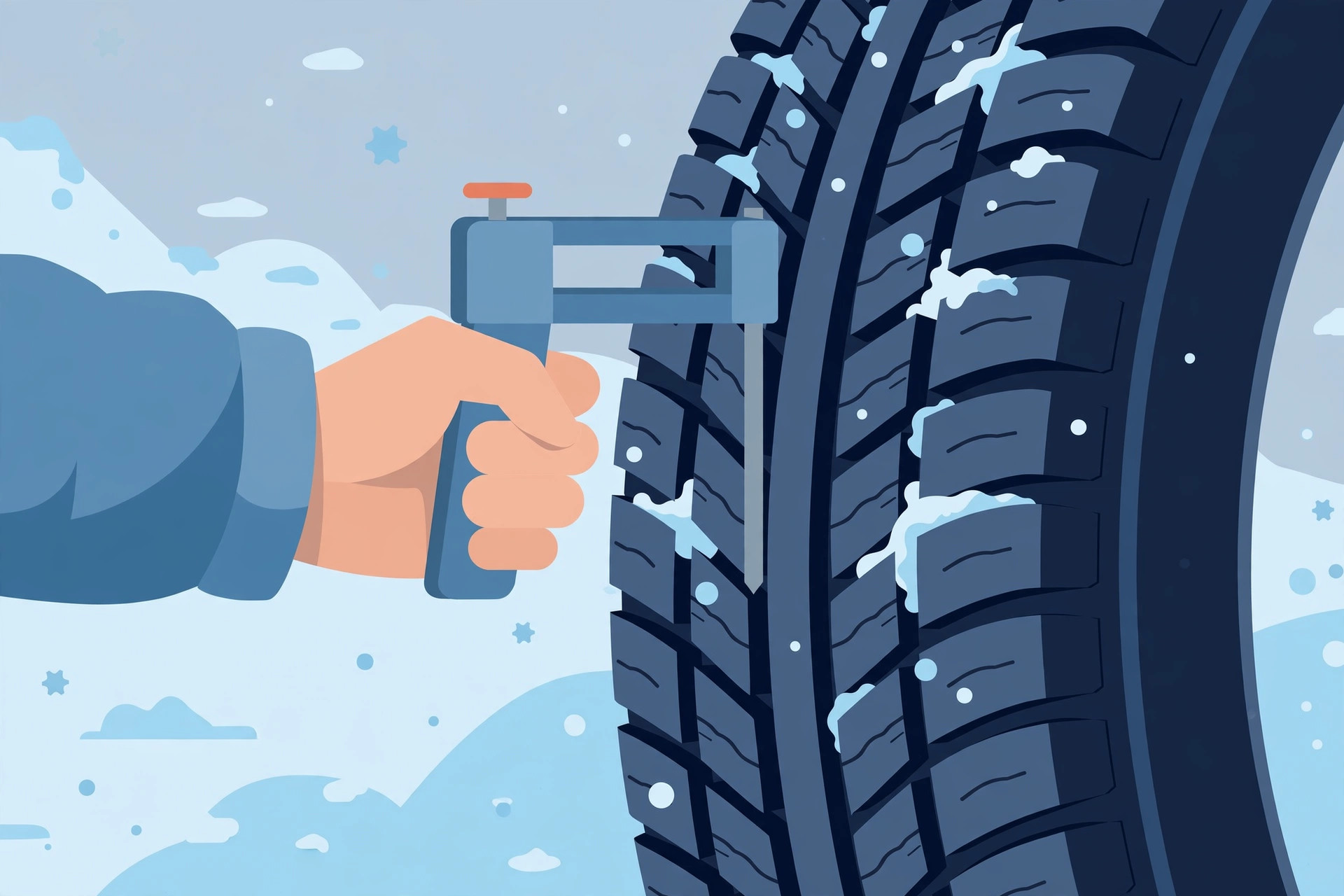
Tread & replacement
The 4.8, 4 and 3.5 mm numbers sorted, law vs. advice vs. planning line, a proper measuring procedure, and the run / plan / replace call.
Read the guide →
Electric vehicles
What the CAA winter test says about range loss, the sidewall spec check that matters more than an EV badge, and when EV-specific winter tires earn their premium.
Read the guide →
Money & insurance
Ontario mandates the discount, BC mandates the tires on designated routes, Manitoba offers a loan, sorted by province, with insurer windows and worked math.
Read the guide →
Rotation & wear
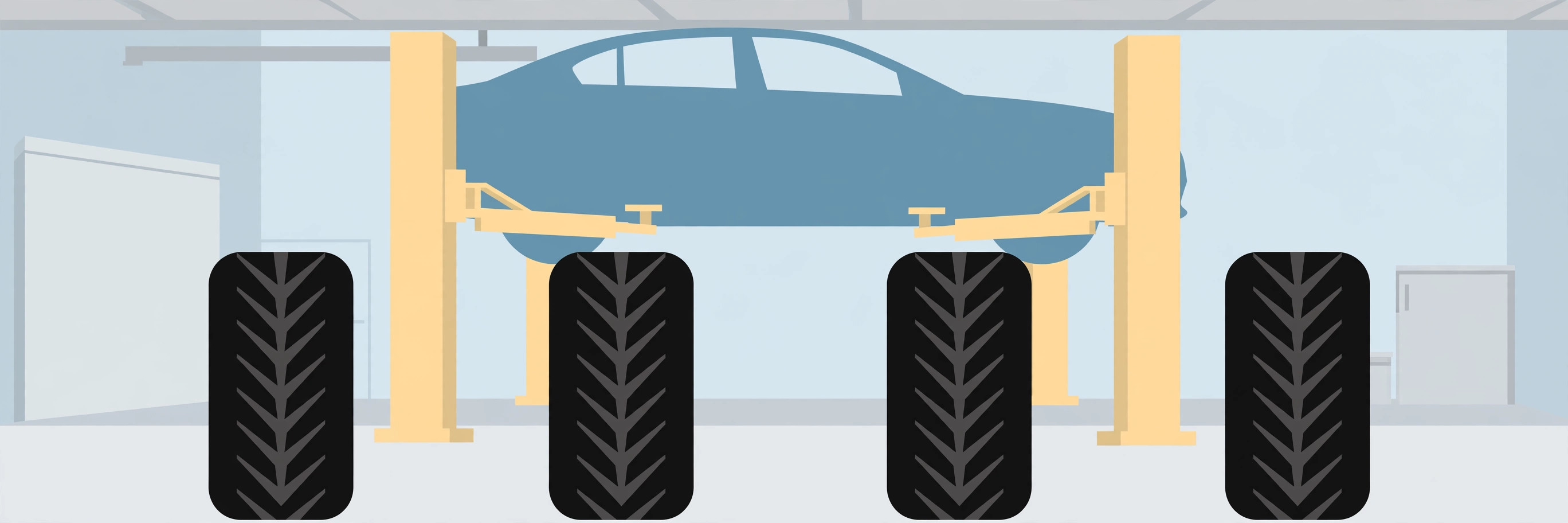
Directional winter tires move front-to-back on the same side only, the seasonal marking system, the mid-season interval, and the five-step arrow check.
Read the guide →
Buying
Read any sidewall in a minute: the full size string decoded, load values, winter speed ratings, and the snowflake and date-code checks.
Seasonal
Scope questions that prevent invoice surprises, the proper installation sequence, and the five drive-away checks including the re-torque.
Money
The fall 2026 manufacturer programs compared, purchase windows, claim deadlines, model tiers, the Costco and Canadian Tire exclusions, and the claim procedure.
Choosing
Provincial legality including Ontario's north-only rule, the controlled ice test that complicates the simple story, and a decision framework by surface.
Trucks
Start with the truck's winter job, then verify the listing: load index, Load Range and tread figures from three real LT fitments, read the same way.
Repairs
A tread puncture may be repairable within strict manufacturer limits. A missing stud is not a part to slot back in. Nokian's answer, and the decision order.
Noise
Loud does not mean more grip. The tread blocks, grooves and pitch sequencing that predict hum, and how to shop for quiet without a decibel label.
 Winter Tires Canada