Practical · Safety-first · Canada

Winter tires, explained without the sales pitch.

Five plain-language guides for Canadian drivers: when winter tires actually matter, what to look for when buying, how to inspect a used set, and how to store them so they last. No brand hype, no invented specs — just the decisions, explained.

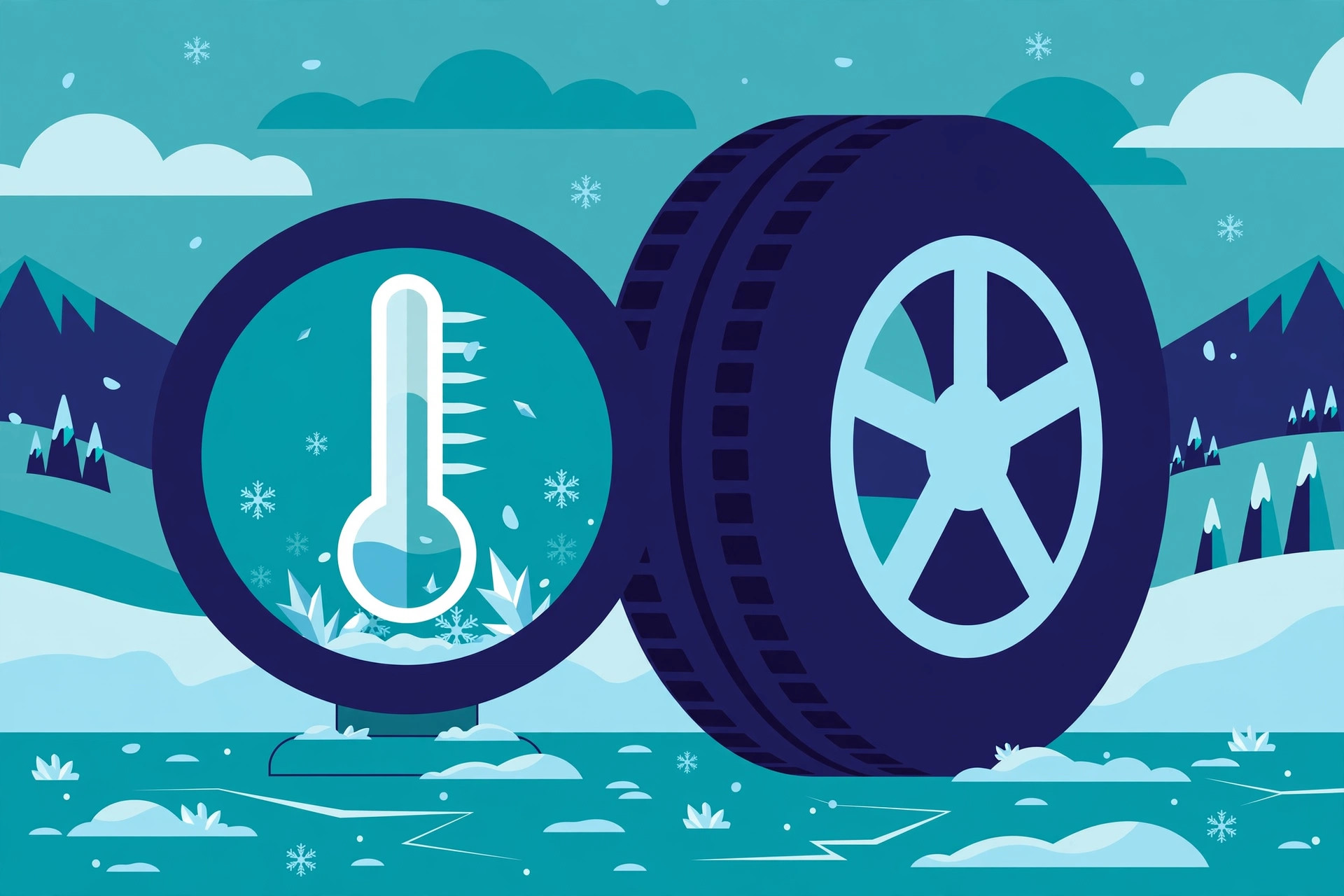
Start with the 7°C rule
Flat illustration of a car driving on a snowy road with winter tires

The guides

Each guide is written as a "what to look for" walkthrough — the practical checks that matter, the opinion clearly labeled, and the safety caveats up front.

01

It's about temperature, not snowfall

Below about 7°C, winter-tire rubber stays flexible while all-season compounds stiffen — and grip is what keeps you out of the ditch.

02

Four winter tires, never two

Mixing winter and all-season tires makes the car's handling unpredictable. If you can't do four, don't do winter tires at all.

03

Quebec made it the law

Winter tires are mandatory in Quebec from December 1. The rest of Canada treats it as strong advice — the physics doesn't change at the provincial border.